Top 10 Moving Day Cleaning Tips for a Stress Free Relocation in Kaiserslautern
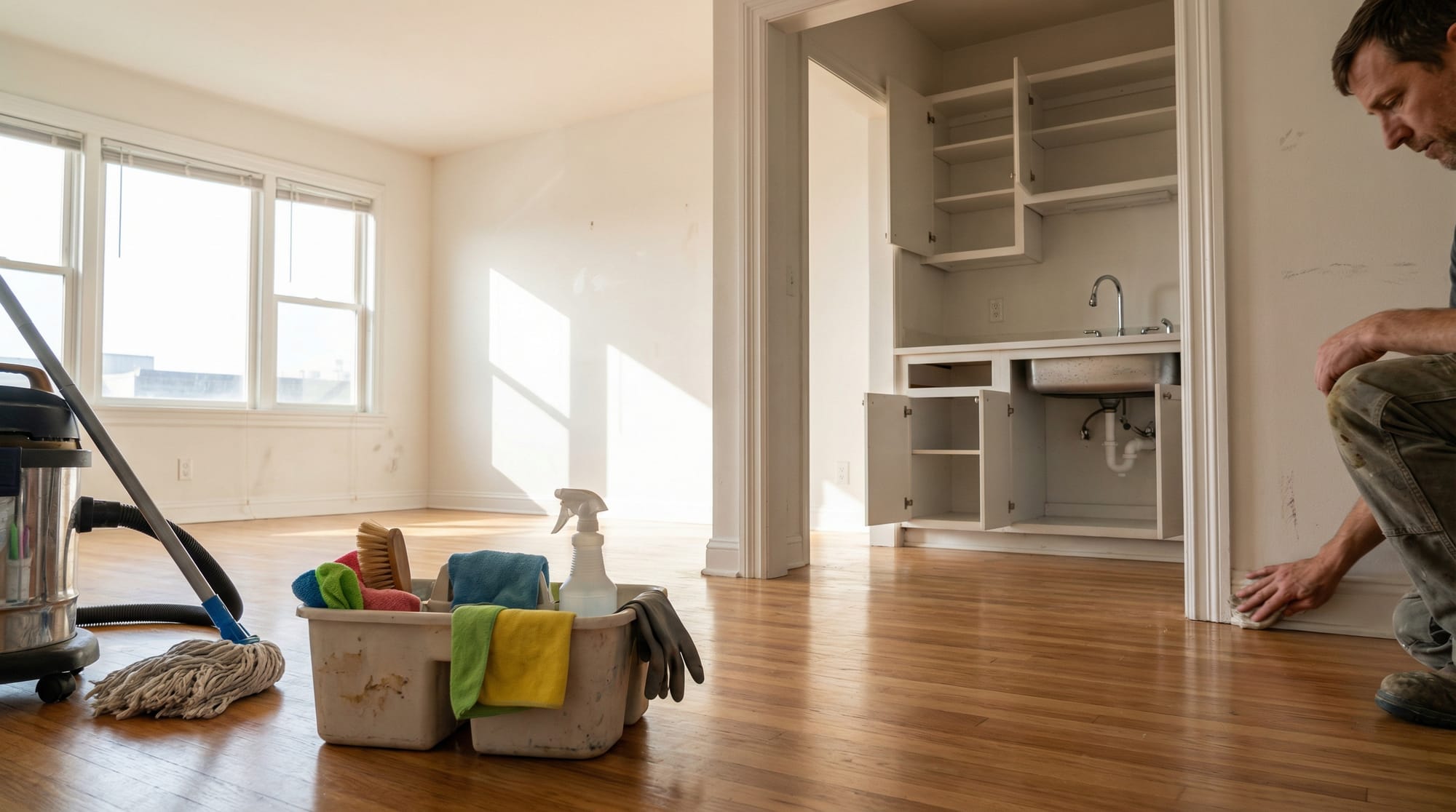
Moving day in Kaiserslautern can feel like a race against the clock. You are coordinating keys, transport, elevators, parking, helpers, maybe childcare, and the emotional weight of leaving one home and entering another. In the middle of all that, cleaning can seem like an afterthought. But in many rentals in Germany, cleaning is directly tied to the handover (Wohnungsübergabe), your deposit (Kaution), and your relationship with the landlord or property manager. A rushed, last minute clean often leads to stress, unexpected fees, or having to return for touch ups after you already moved.
This guide from The Unique Cleaning & Moving Services is built specifically for a stress free relocation in Kaiserslautern. It combines practical moving day tactics with end of tenancy cleaning standards commonly expected in the region. It also includes a clear order of operations, so you do not waste time re cleaning areas you already finished.
Before the Top 10 list, here is the mindset that makes everything easier: treat cleaning as a project that starts days before moving day, not hours before key handover. Moving day should be for final wipe downs, floors, bathrooms, and quality control, not for deep oven scrubbing from scratch. When you break the work into stages and pack with cleaning in mind, you can leave your old place looking “ready for inspection” while still arriving in your new home with energy left to unpack the essentials.
If you are moving within Kaiserslautern, to nearby towns, or in and out of the KMC area, these tips will help you handle tight timelines and building rules, including shared stairwells, Hausordnung quiet hours, and limited parking space in some streets. Use the checklists, adapt them to your home size, and you will have a realistic plan no matter whether you are in a city apartment, a row house, or a multi level family home.
Tip 1. Build a moving day cleaning timeline that starts a week early
The biggest secret to stress free moving day cleaning is timing. Even a perfect cleaning checklist fails if you try to do it all after the truck is loaded. Create a simple timeline that matches your packing plan, and assign each cleaning task to a specific day. This prevents the classic trap of “we will clean later,” which often becomes “we ran out of time.”
Start by identifying your non negotiables for handover. Common expectations include: all rooms swept or vacuumed, floors mopped if needed, bathrooms and kitchen hygienically clean, limescale removed where possible, appliances cleaned, cabinets wiped, and trash removed. Some contracts also expect windows, balcony, basement storage, or garage to be left clean. Check your rental agreement and any move out instructions from the landlord.
Use this timeline as a proven approach that works for most moves in Kaiserslautern:
- 7 to 10 days before: Declutter, donate, schedule bulky waste (Sperrmüll) if needed, and begin deep cleaning rooms you will pack early.
- 5 to 7 days before: Clean inside cabinets and closets after you empty them. Start detail work like baseboards, doors, and light switches.
- 3 to 4 days before: Deep clean bathrooms you can keep partially usable. Clean appliances you can temporarily disconnect, like the oven or microwave.
- 48 hours before: Defrost and clean the fridge and freezer, if you will disconnect them. Wash final laundry loads. Prepare your “cleaning day kit.”
- Moving day morning: Keep cleaning focused on final surfaces, floors, bathroom touch ups, and a complete walk through checklist.
- After the truck leaves: Do a final dust check, refine edges, remove any tape residue, and take photos before locking up.
Make the timeline visible. Put it in your phone notes, print it, or share it in a family group chat. If friends are helping, assign small tasks that do not require judgment, like wiping baseboards, vacuuming one room, or cleaning the balcony railings.
Tip 2. Prepare a dedicated cleaning kit, and keep it separate from packed boxes
On moving day you do not want to hunt through sealed boxes for a sponge, a trash bag, or the right cleaner. A dedicated kit saves time and keeps your cleaning consistent from room to room. It also reduces stress because you can clean as you go without breaking momentum.
Pack your cleaning kit in a sturdy tote or a clearly labeled box that never goes on the moving truck until you are finished. If you are moving from an upper floor apartment in Kaiserslautern, keep it near the exit so you can carry it easily between rooms.
Here is a practical cleaning kit checklist that covers most moving day needs:
- Microfiber cloths: At least 8 to 12, plus a few disposable wipes for quick touch ups.
- Sponges and scrub pads: Separate gentle and heavy duty pads.
- All purpose cleaner: For surfaces, doors, and cabinets.
- Bathroom descaler: Especially important in areas with mineral buildup (Kalk).
- Glass cleaner: For mirrors and windows, plus a squeegee if you have one.
- Degreaser: For kitchen surfaces, extractor hood, and backsplash.
- Dish soap: Surprisingly useful for many tasks, including spot cleaning walls.
- Baking soda and vinegar: Good for deodorizing, drains, and some gentle scrubbing, use carefully on sensitive stone.
- Vacuum and attachments: Crevice tool and brush head for corners and baseboards.
- Mop and bucket: Include extra mop pads.
- Trash bags: Several sizes, plus recycling bags or boxes for sorting.
- Gloves: Multiple pairs, and a small first aid kit if you are prone to cuts when cleaning.
- Step stool: For tops of cabinets, light fixtures, curtain rails.
- Magic eraser style pad: For scuffs on walls, test in a hidden spot first.
- Paper towels: For quick jobs and greasy residue.
- Old toothbrush: For grout lines, faucet edges, and corners.
Also prepare “last mile” items: an Allen key set for removing fixtures, a small screwdriver, a box cutter, and painter’s tape for labeling. They are not cleaning tools, but they prevent delays when you need to remove shelves, hooks, or battery powered fixtures before handover.
Tip 3. Declutter first, then pack in a way that makes cleaning faster
Cleaning is dramatically easier when the home is empty and surfaces are accessible. The problem is that many people try to clean while rooms are still full of items, which forces repeated wiping and re vacuuming. The smart sequence is: declutter, pack, clean, and then protect the cleaned area.
Start with a ruthless pass through each room, especially storage areas like basements (Keller), attics, and built in closet systems. In Kaiserslautern, you may need to plan disposal options in advance, because you cannot always leave unwanted items next to the bins. If you have bulky items, look into city guidelines, schedule Sperrmüll pickup, or take items to a recycling center (Wertstoffhof) according to local rules.
Pack using these moving day cleaning principles:
- Pack one room to completion: When a room is packed, clean it fully. Then close the door or mark it as finished to avoid tracking dirt back in.
- Use “open last” boxes: A box for essential kitchen items, one for bathroom essentials, and one for basic tools. This prevents you from opening many boxes just to live during the final days.
- Use protective floor coverings: After a room is cleaned, lay down a clean sheet, cardboard, or protective film in high traffic zones so movers do not ruin your work.
- Keep a donation and trash station: One bag for donations, one for recycling, one for trash. This prevents piles that slow you down later.
When you pack with cleaning in mind, you avoid the final day chaos where everything is spread out again. You also reduce dust because boxes are sealed, which matters a lot when you are trying to do a fast final wipe down.
Tip 4. Clean top to bottom, and start with dust before using wet products
This tip is simple but powerful. If you clean the floor first and then dust shelves, you will have to clean the floor again. If you use wet sprays before removing dust, you can create grime streaks that are harder to remove. Top to bottom, dry to wet, is the professional approach for speed and quality.
Work in a consistent pattern in every room, so you do not miss details during the moving day rush. For example, start at the door and move clockwise around the room, finishing with the floor. Use your step stool early and do all high spots in one go.
High to low checklist for a typical room:
- Ceiling corners and edges: Remove cobwebs using a duster or vacuum extension.
- Light fixtures: Wipe dust, remove dead insects from covers where accessible, turn off electricity if needed.
- Curtain rails, blinds, and window sills: Dust first, then wipe.
- Tops of wardrobes and shelving: Often overlooked and very visible in inspections.
- Doors and door frames: Clean around handles and edges, these collect fingerprints.
- Switches and sockets: Wipe carefully with minimal moisture.
- Radiators: Vacuum between fins if possible, wipe the exterior.
- Baseboards: Vacuum, then wipe for a finished look.
- Floors: Vacuum thoroughly, then mop if required.
If you are dealing with wall scuffs, handle them before mopping. Many small scuffs come off with a lightly damp microfiber cloth and a drop of dish soap. For tougher marks, use a gentle melamine sponge, but test first to avoid removing paint sheen.
Tip 5. Do a kitchen deep clean in stages, and finish with a fast final polish
Kitchens are the most time consuming moving day cleaning zone, and they are also one of the most inspected rooms. Grease, crumbs, and hidden spills build up in places you do not notice day to day. In many handovers, the kitchen is where landlords decide whether the apartment was left in good condition.
The key is to split kitchen cleaning into two stages. Stage one happens days before moving day when the kitchen is still functional. Stage two is the final detail clean after everything is packed.
Stage one, 3 to 7 days before moving:
- Oven and stovetop: Use an appropriate oven cleaner, allow proper dwell time, and wipe all residues. Clean knobs and the edges around them.
- Extractor hood and filters: Degrease filters and clean the hood surfaces. This makes a big difference in smell and appearance.
- Upper cabinet fronts: Grease can settle above eye level, wipe the top edges.
- Backsplash and wall area behind the stove: Remove sticky spots and splatters.
- Inside cabinets and drawers: Empty one section at a time, vacuum crumbs, then wipe and fully dry.
Stage two, moving day final:
- Fridge and freezer: Defrost ahead of time, wipe gaskets, clean shelves, dry fully to prevent odors. Leave the door slightly open if it stays behind.
- Sink and faucet: Descale around the base and handles, polish to remove water spots.
- Counters: Wipe, then do a final pass with a clean dry cloth to prevent streaks.
- Dishwasher: Wipe seals and visible edges, remove debris from the filter if accessible.
- Trash area: Clean the inside of the bin cabinet, deodorize if needed.
- Floor edges: Vacuum along the toe kick and corners, then mop.
Do not forget hidden touch points that create a “clean or not clean” impression in seconds: cabinet handles, the inside lip of drawers, the oven door edges, and the front of the dishwasher. These are quick wins that make the whole kitchen look cared for.
Tip 6. Treat bathrooms like a limescale project first, then a hygiene project
Bathrooms often determine whether a handover feels smooth because they show buildup quickly. In Kaiserslautern, many homes have mineral rich water that can leave visible limescale. Trying to scrub limescale without the right product wastes time and energy. Instead, treat it as a chemistry task first, then sanitize.
Work in this order, and you will get better results faster:
- Ventilation and prep: Open windows if possible. Remove shower curtains, bath mats, and remaining toiletries.
- Apply descaler: Focus on faucets, shower heads, tile edges, and glass panels. Let it sit for the recommended time.
- Toilet: Apply toilet cleaner under the rim first, then clean the exterior while the product works.
- Shower and tub: Scrub grout lines, corners, and around drains. Rinse thoroughly so residue does not dry.
- Sink and mirror: Clean the sink, then polish fixtures. Finish mirrors with glass cleaner and a microfiber cloth.
- Cabinet fronts and shelves: Wipe inside and out, especially near the sink.
- Final hygiene pass: Wipe touch points like switches, handles, and the toilet flush button.
- Floor: Vacuum hair and dust first, then mop.
If you see dark spots in silicone around the shower, that is often mildew staining. Some stains will not disappear completely without re sealing, which is usually considered maintenance, not basic cleaning. However, you can often improve it by using a targeted mildew cleaner and careful application. If the handover is strict, consider asking the landlord in advance what they expect, or plan professional help so you do not lose time experimenting.
Also check drains. A slow draining sink or shower can be interpreted as poor upkeep. Remove visible hair and debris, and flush with hot water. Avoid harsh methods that might damage plumbing if you are unsure.
Tip 7. Make floors and edges your “final impression” focus
Even if everything else is clean, dirty floors or dusty edges make a home feel neglected. Floors are also the area most likely to be re contaminated by moving activity. That is why floor cleaning should be the final major task, and why you should clean edges intentionally.
Start by removing everything from the floor, including last boxes, rugs, and any protective coverings that are dirty. Then do a thorough dry clean before you mop, because mopping over dust creates streaks and residue.
Floor and edge checklist:
- Vacuum slowly: Use the crevice tool along baseboards and under radiators.
- Hit corners: Corners collect dust bunnies, especially in empty rooms.
- Clean baseboards: Wipe with a damp microfiber cloth, dry immediately if the material is sensitive.
- Spot treat marks: Handle sticky spots or paint drips before mopping.
- Mop with clean water: Change water between rooms. Dirty water just moves grime around.
- Let floors dry fully: Plan airflow so you do not leave footprint marks.
If you have carpet, vacuum multiple directions and use attachments along the edges. For small stains, a gentle carpet cleaner can improve appearance, but avoid over wetting. If the carpet needs a full deep clean and you are short on time, schedule professional carpet cleaning so the drying time is managed correctly before handover.
Do not forget exterior floor areas connected to the home, especially balconies. In many apartments in Kaiserslautern, balcony dust and pollen buildup is obvious. A quick sweep and wipe of railings can prevent negative comments during inspection.
Tip 8. Clean windows, frames, and sills strategically for maximum impact
Windows can be a controversial moving out topic because expectations vary by contract, landlord, and property condition. Some agreements explicitly mention window cleaning, others do not. Still, from a practical standpoint, clean windows and frames create a strong “ready to hand over” impression, and they help you avoid debates on inspection day.
The trick is to avoid wasting time on perfection if it is not required, while still achieving a clear, streak free look. Focus on the parts that are most visible and most likely to be checked, like sills, frames, and any built up dirt in corners.
Window cleaning workflow:
- Dry dust first: Vacuum or wipe loose dust from frames and sills before applying any liquid.
- Frames and tracks: Use a toothbrush or small brush for corners. Wipe and dry thoroughly.
- Glass: Use glass cleaner and a squeegee, or a microfiber cloth with a second dry cloth for polishing.
- Blinds and shutters: If you have them, wipe slats quickly. Even one fast pass can improve appearance.
Time saving advice: if you have many windows, split the task. Clean inside windows yourself, and if the exterior access is difficult or unsafe, consider professional help. Safety should never be compromised, especially in upper floor apartments.
Also pay attention to condensation marks and water spots. A final dry polish on the glass can make the difference between “almost clean” and “inspection ready.”
Tip 9. Do a final inspection walk through with a checklist, photos, and “handover ready” details
The last hour before you hand over keys can either be calm or chaotic. The difference is a structured final walk through. This is where you catch small items that cause big problems, like a forgotten drawer, a dusty radiator edge, or a bag of trash in the basement.
Plan to do your walk through when the home is empty and floors are dry. Bring your cleaning kit, a roll of trash bags, and your phone. Move room by room and do not skip storage spaces.
Final inspection checklist for moving day:
- All trash removed: Including bathroom bins, kitchen bins, and any bags near the door.
- All surfaces wiped: Counters, shelves, window sills, cabinet fronts.
- All cabinets and drawers empty: Check inside and along the top edges.
- Appliances clean: Oven, stovetop, extractor hood surfaces, fridge, dishwasher edges.
- Bathrooms inspection ready: Toilets clean inside and outside, no hair on floors, mirrors streak free.
- Floors finished: No visible dust in corners, no footprints, no leftover tape or cardboard bits.
- Walls and doors: Remove obvious marks, clean around handles, check light switches.
- Radiators: Dust removed from fronts and visible edges.
- Windows: At least sills and frames wiped, glass acceptable per your agreement.
- Balcony, cellar, storage: Swept, empty, and free of personal items.
Take clear photos after cleaning, preferably wide shots and a few close ups of key areas like the oven, inside cabinets, bathroom fixtures, and floors. Photos can protect you if there is a later dispute about the condition at handover.
If your handover includes meter readings, document them too. Keep all paperwork organized, including any signed handover protocol (Übergabeprotokoll). A calm, well documented handover is one of the best outcomes you can create on moving day.
Tip 10. Know when to hire professional moving out cleaners, and how to combine cleaning with moving services
Sometimes the best moving day cleaning tip is knowing when not to do it yourself. Professional support can be the difference between an all day scramble and a smooth relocation, especially if you are working full time, managing a family, or facing a strict handover deadline in Kaiserslautern.
Consider professional help if any of the following are true:
- Your timeline is tight: Same day move out and move in, or keys due early.
- The home is large: Multiple bedrooms, multiple bathrooms, or heavy kitchen buildup.
- You need a high standard clean: End of tenancy cleaning where inspection details matter.
- You have carpet or upholstery issues: Stains, odors, pet hair that needs specialized equipment.
- You are relocating from far away: You cannot return for touch ups after leaving.
- You want one coordinated plan: Moving and cleaning handled without gaps.
The Unique Cleaning & Moving Services can help you combine logistics and cleaning so the process stays simple. A coordinated approach can include packing support, careful loading that protects already cleaned areas, and a structured moving out clean once the home is empty. Many clients find that bundling services reduces stress because there is one timeline, one point of contact, and fewer opportunities for last minute surprises.
If you do hire professionals, you still benefit from the earlier tips. Decluttering, labeling, and a clear handover checklist helps cleaners focus on real cleaning, not on sorting leftover items. It also keeps costs predictable because the scope of work is clear.
Bonus strategy. Clean the new home before unpacking for a faster, calmer settlement
Even if your old home must be spotless for handover, your new place deserves the same attention, especially before boxes fill the rooms. A “move in refresh” is faster when the home is empty, and it improves comfort right away. It also helps you spot any issues, like cabinet odors, dirty filters, or leftover dust in corners, while you still have time to contact the landlord if needed.
Prioritize these areas in your new home before unpacking:
- Bathroom and kitchen hygiene: Clean fixtures, toilets, sinks, and key surfaces first.
- Cabinet interiors: Quick wipe so dishes and clothing go into clean spaces.
- Floors: Vacuum and mop before heavy traffic begins.
- High touch points: Handles, switches, railings.
- Fridge and pantry areas: Clean before storing food.
Doing this early reduces the feeling of chaos because you are not unpacking into clutter and dust. It also helps you start your new chapter in Kaiserslautern with a home that feels truly yours on day one.
Putting it all together, a practical moving day cleaning plan for Kaiserslautern
To finish, here is a simple plan that combines the Top 10 tips into a repeatable routine you can follow under pressure.
- One week out: Make your timeline, confirm handover expectations, start decluttering and cleaning emptying storage areas.
- Mid week: Deep clean kitchen and bathrooms in stages. Clean inside cabinets and closets as you empty them.
- Two days out: Defrost and clean the fridge, finalize your cleaning kit, prepare protective floor coverings.
- Moving day: Pack and load first, then do top to bottom dusting, kitchen and bathroom final touches, and finish with floors.
- Last hour: Walk through with a checklist, take photos, remove all trash, and confirm keys and documents for handover.
Moving day does not have to be overwhelming. When cleaning is planned, staged, and executed in the right order, it becomes a controlled process instead of a panic. Whether you do it yourself or bring in professional support, these moving day cleaning tips are designed to help you leave your old place confidently and step into your new home in Kaiserslautern with less stress, fewer surprises, and more time to settle in.
